A series of videos demonstrating how to use a bicycle as a transport tool. Each episode will be in 2 parts. The first in standard video format, describing what the episode is about. The second, filmed in 360 degrees, will demonstrate what is being described.
It’s now November, and clocks have reverted from daylight savings time for 2019.
Get Lit
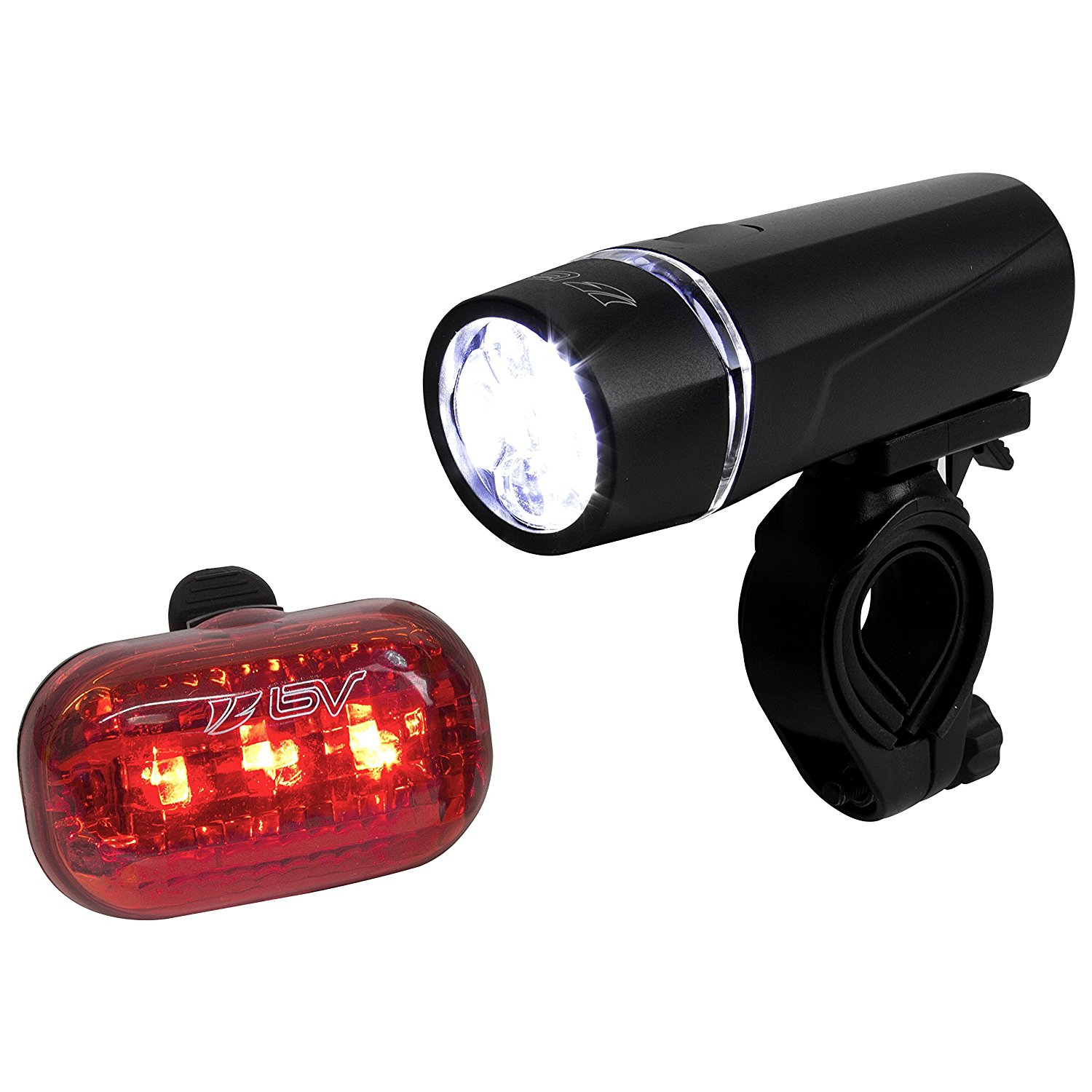
If you are continuing to cycle, you’ll notice that it’s now darker, sooner. Make sure you have working lights to illuminate your way! If you don’t have lights or find that they’re not quite up to snuff, you can view a buy new ones through The Bikeport.
If you’ve been looking for a place to get started with learning how to use bicycles as transport, consider participating in Bike The Creek on June 22, 2019.
Bike the Creek is a free event aimed at encouraging people of all ages to discover the joys of cycling. It’s an opportunity to join hundreds of cyclists in a fun family ride through the spectacular valleys, trails and historic landmarks, urban and rural settings of Peel Region.
This year’s event features a route on the Etobicoke Creek Trail under #410 and #407, now paved south to Mount Charles Park, Mississauga. The southernmost loop goes into the Toronto Pearson Airport lands. There will also be a Downtown Brampton Riverwalk pavilion.
Check out the BikeBrampton website for more information and to register for this event.
30 Days of Biking (a.k.a., 30DOB) is a pledge to ride your bike every day in April — any distance, any destination, in any kind of weather — and share your experiences online with the hashtag #30daysofbiking.
Android devices have a neat feature called Google Fit. Google Fit has teamed up with the World Health Organization to produce two activity goals: Move Minutes and Heart Points.
Move Minutes are basically defined as minutes when you’re being physically active. Heart Points are awarded for every minute of moderate activity like “a brisk walk that’s over 100 steps per minute”. Two Heart Points are awarded for every minutes of more intense workouts.
Why Does This Matter?
People are not active enough. The World Health Organization recommends at least 150 minutes of moderate exercise, or 75 minutes of vigorous exercise, or a combination of both every week.
Sound like a lot? It might be if you have to go out of your way to make time for activity. It’s not so difficult when you integrate bicycles as transport.
Google Fit counts a minute of modest cycling as 1 Heart Point. If a bicycle is used just for commuting for 5 days per week, 30 minutes per day, you would only have to travel for 15 minutes each way to meet the minimum amount of recommended exercise. Using a bicycle for additional transport trips such as shopping and other errands — including going to the gym — is a bonus.
For Valentines Day, show yourself some love. Consider how to integrate a bicycle as transport into your life to earn points for your own heart. The Bikeport offers Cycling Courses that can help with this goal.
Much of the conversation around using bicycles as transport tends to focus on education and the need for political support to build infrastructure — separated bike lanes. But there is an often overlooked topic that is important. Even if people are able to use their bicycle to get to their destination, then what? Where do they put their bicycle?
Bicycle Parking Minimum Requirements
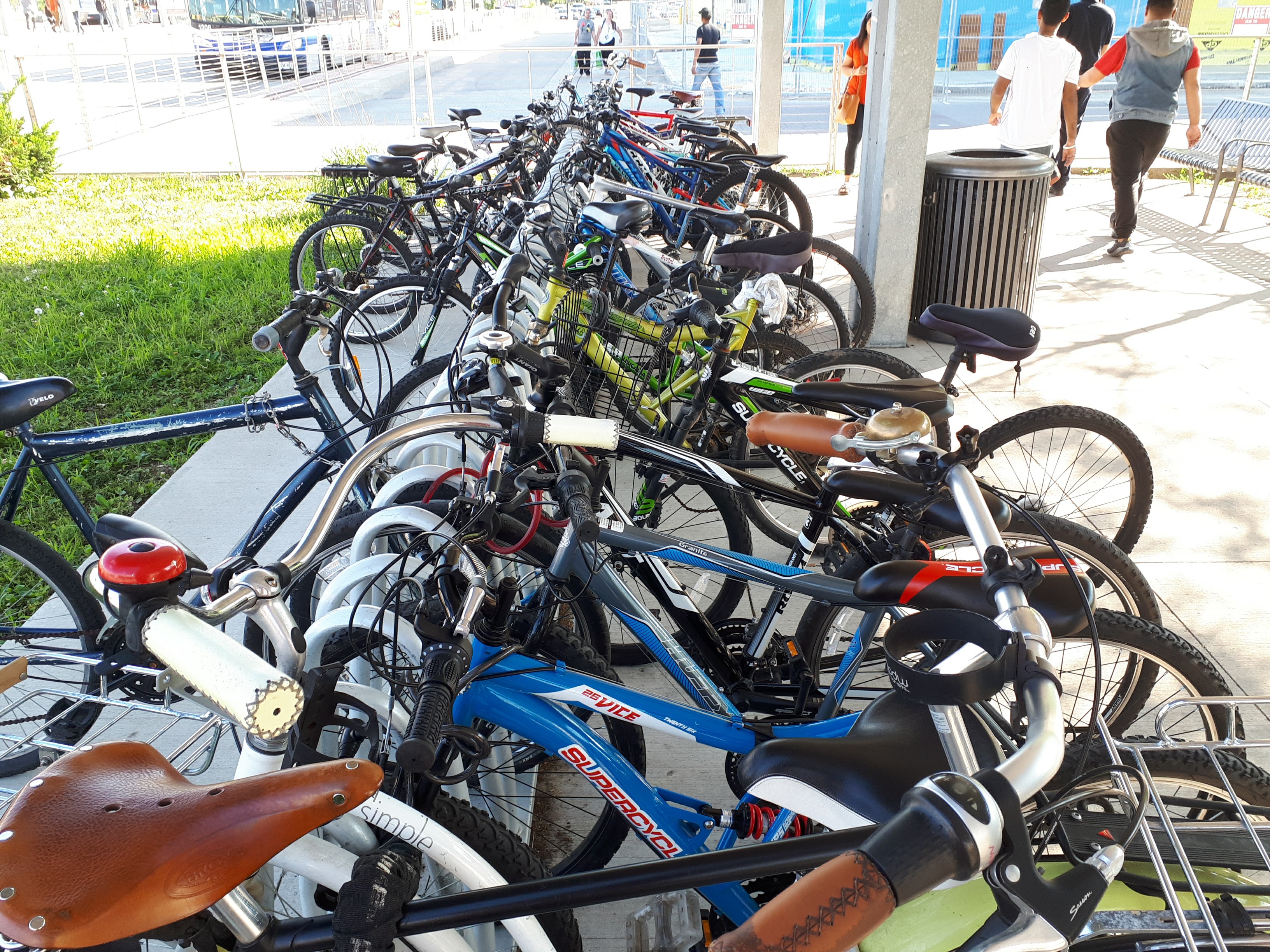
The City of Brampton recently published a draft technical paper on parking and loading standards. The document identifies opportunities to improve bicycle parking supply by implementing minimum bicycle parking requirements.
That’s starting to change.
The City of Brampton recently published a draft technical paper on parking and loading standards. In it, the document identifies opportunities to improve bicycle parking supply by implementing minimum bicycle parking requirements.
The document recognizes that minimum bicycle parking requirements are not presently included in the City of Brampton Zoning By-law. This has resulted in low or inconsistent availability in bicycle parking supply. More bicycle parking supply can increase the convenience and security of cycling and provide an alternative to automobile parking.
The document further proposes to analyze travel patterns for areas of higher cycling activity and to further promote cycling by providing bicycle parking in lieu of automobile parking.
Adequate bicycle parking supply is sometimes a missing piece in using bicycles as transport. That the City of Brampton is starting to consider how to address this is excellent news for carfree transportation.
On December 5, 2018, Kevin Montgomery delegated to Brampton Committee of Council to talk about The Bikeport and bicycles as an equitable transport choice in the City of Brampton.
It was a long one: 11 hours! The video below is advanced to where Kevin’s delegation begins and is followed by questions from the Committee of Council.
Below the video is a transcript of Kevin’s delegation.
Video
Transcript
Good morning everyone.
First, I want to open by saying “congratulations” to everybody here. It was a very exciting election and every one of you have well earned your place here, so, well done all of you.
A little bit about me — I haven’t really had a chance to introduce myself to everyone here. I started The Bikeport a few years ago primarily with the goal to enable people to discover how to integrate using bicycles in their everyday lives. As for myself, I’ve been a Brampton resident all my life, but I’ve been car-free — that is free of car ownership — since 2011. I’m a Certified User Experience Designer and also a Registered CAN-BIKE Instructor. What that allows me to do apart from giving cycling instruction is that I pay particular attention to things like the data accumulation and feedback, and consider how to improve the user experience of using a bicycle, for everyone.
[button href=””]More About The Bikeport[/button]
Throughout the election, there were some common election themes that came up. Missing from this list (in the slide deck) that was discussed recently, of course, is “economic development”. But we heard things like Crime and community safety concerns. We heard issues regarding congestion and road safety, health and healthcare and of course, taxes, car insurance and generally things affecting our home budget and our bottom lines.
Further, with a change in the political landscape, there might be some challenges on the horizon about how do we get funding for larger capital projects in the City of Brampton. So, we need to consider: How do we better use the resources that are available to us.
But, what if I said, there is a cost-effective way to address all of these issues?
With that in mind, I want to introduce the idea of Bicycles As Transport. This is a theme that I’ve been starting to build up a little bit over this year. The idea being: To use bicycles to enable people to connect to their communities.
One of the things that happened during the course of the election was that there was also a neighbourhood audit. One of the beautiful things about active transport, and bicycles in particular: Daily neighbourhood audits if you have enough people using this as a transport tool.
Resolving congestion: You can fit a lot more people on bicycles in the same space as a car. You can get as much as 4-5x more throughput in the same lane-width as a car with people using bicycles.
Improvements to mental and physical health to perhaps reduce some of the burden on our medical services in the City of Brampton. Of course, we know about the issues ongoing through there.
And of course, unless one chooses to take out a separate claim [sic] (policy), there’s no insurance, no gas costs. There’s a far better return on investment for your home budget and of course, for the use of taxes in the City of Brampton.
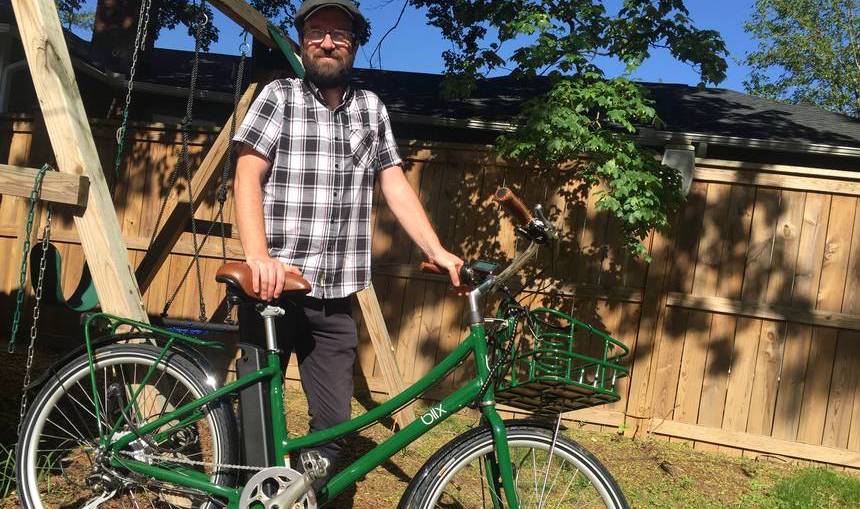
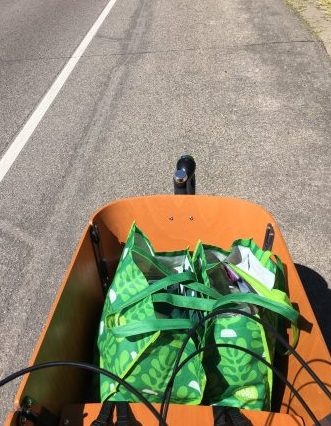
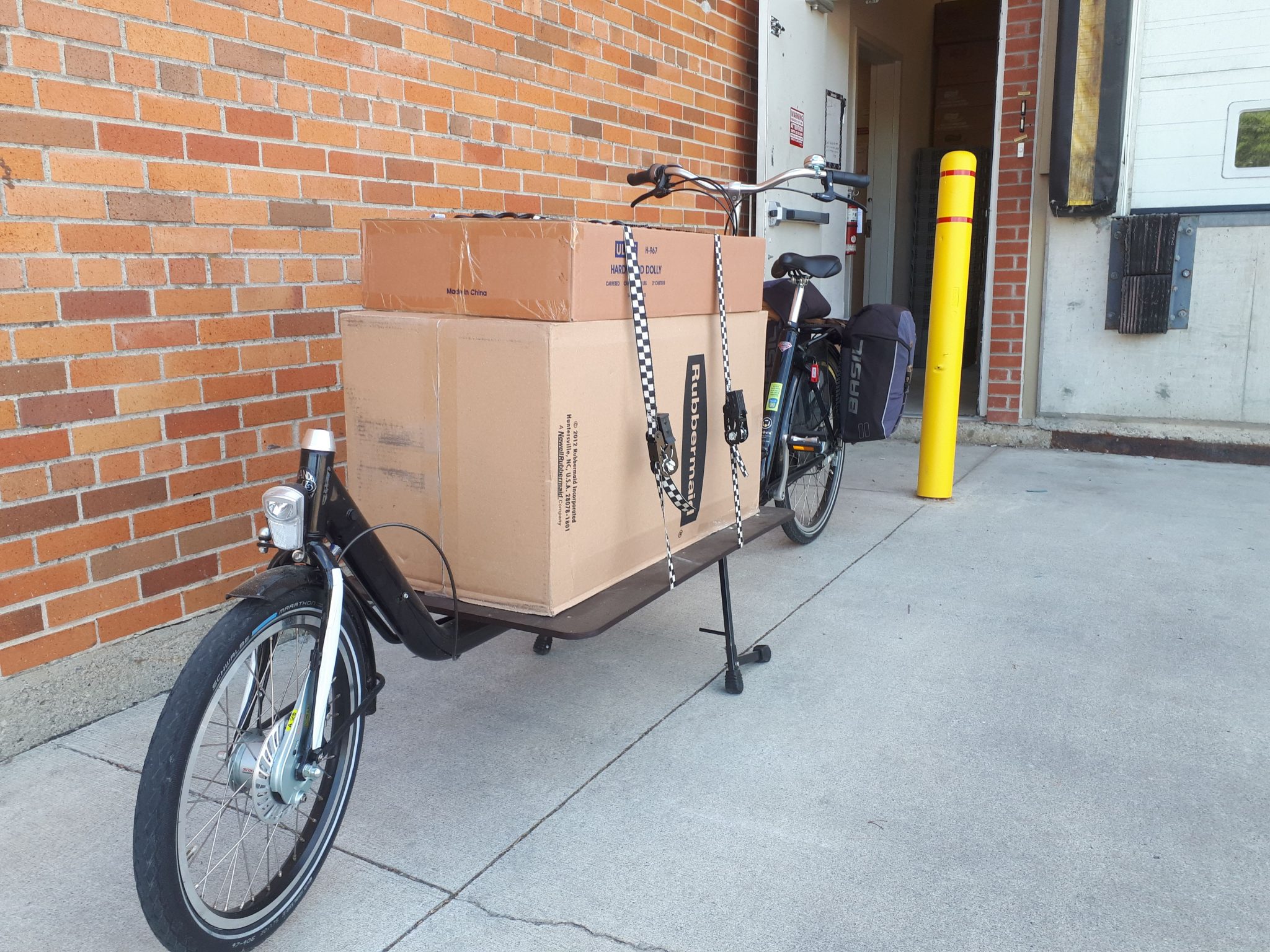
And, bicycles can be useful transport tools. As you can see here (in the slide), here are some examples. I’ve owned a few cargo bikes now. Here are some pictures of what I get to experience on a day-to-day basis when people are out there using their bicycles. There’s a lot of opportunities. I think there’s definitely an untapped market for supporting using bicycles as transportation.
Ultimately, I think my ask of Council is to challenge yourselves to broaden your scope of how bicycles can be used in the City of Brampton. To think bigger than recreation, but to think of transportation equity in the sense of any conversation that involves parking or addressing traffic concerns. These are also opportunities to make strides toward equitable solutions of other transportation modes and bicycles in particular.
Everyone should be able to get from anywhere, to anywhere, on a bicycle in the City of Brampton, safely and comfortably — or even more so — as taking a car.
[button href=”http://www.brampton.ca/EN/City-Hall/meetings-agendas/Committee%20of%20Council%202010/20181205cwmn.pdf”]See Public Meeting Minutes[/button]
Sometimes, it’s the simple things that make all the difference.
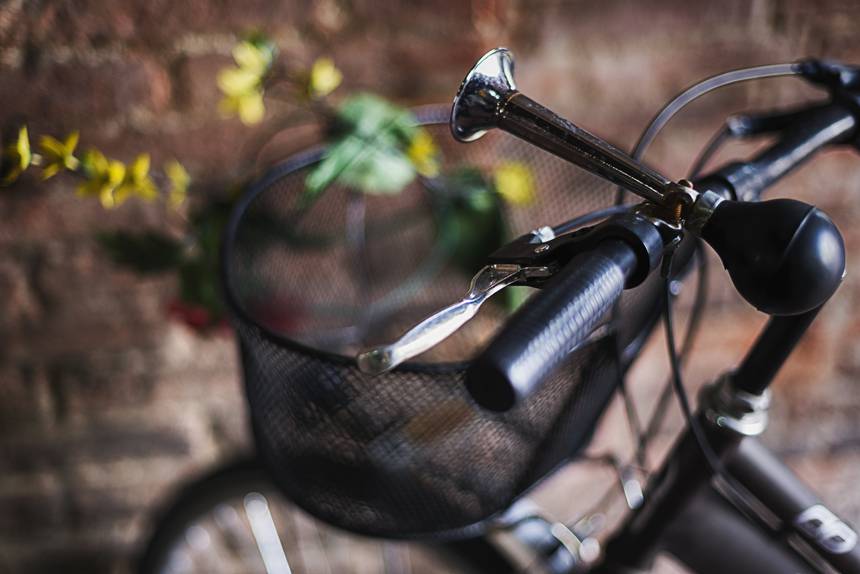
It probably sounds obvious to anyone who has already discovered the joy of a bike basket, but there’s something immensely practical about not having to worry about backpacks or pannier bags when you want to run a quick errand to the grocery store.
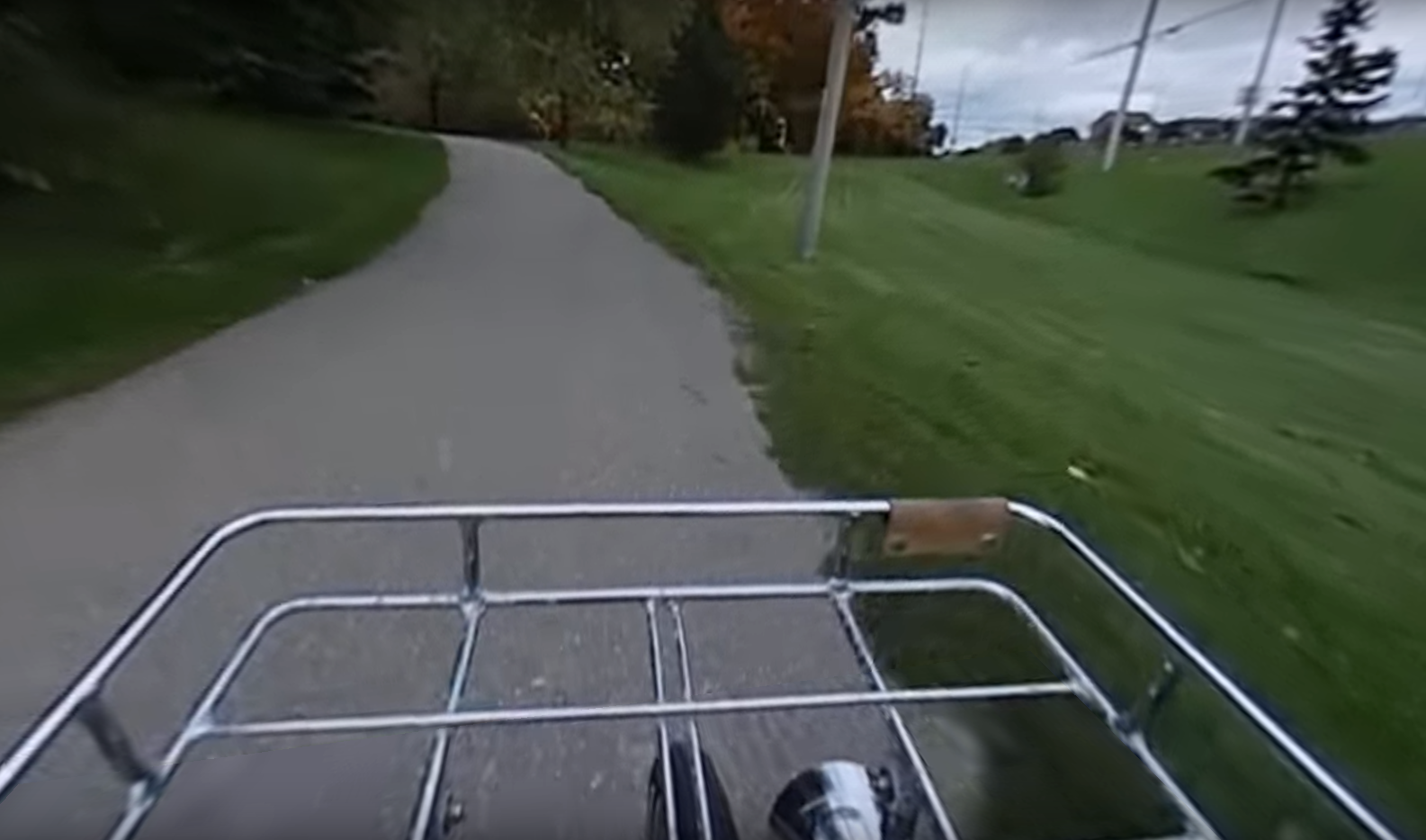
This episode of Bicycles As Transport discusses Recreation Trails and Multi-Use Pathways.
Recreation Trails and Multi-Use Pathways are similar in function and design. Recreation Trails are separated facilities, whereas Multi-Use Pathways run alongside roads. They are not the same as sidewalks, though they often replace them to accommodate both pedestrian and cycle traffic.
Neither are governed by the Highway Traffic Act. However, Brampton’s bylaws are like other municipalities in Ontario. The expectation is that all active users keep to the right of the path. Within parklands, cyclists must to yield to pedestrian traffic and walk their bicycles at places of frequent pedestrian usage.
If a Recreation Trail or Multi-Use Pathway ends at a road crossing, the Highway Traffic applies within the road allowance. This rule to walk your bicycle in a pedestrian crosswalk. Remember to check for car traffic at driveway entrances and exits.
Disclaimer: “Bicycle As Transport” videos are for demonstration purposes to provide general information on lawfully using a bicycle. They are not CAN-BIKE instruction videos, are not comprehensive, nor provides specific advice or any guarantees. You must determine for yourself what your experience, training and competency level is with using a bicycle. The Bikeport by Kevin Montgomery disclaims any liability in connection with the use of this information.
The author shares their personal experience on the topic, and includes these interesting tips:
Rule number one is you don’t want to try to get around with shopping bags hanging from your handle bars. You’re going to need a place to put stuff. A basket out front. A cargo rack and panniers in the back. Or go really crazy and get yourself a cargo bike. Get the right tool for the job. Source: Grocery Shopping by Bike
Ready to get started on grocery shopping by bike? Check out some of the Cargo Bike options available through The Bikeport.
Bicycles can transport people and their things. The City of Brampton, like many other municipalities, has a bylaw that requires bicycle riders to keep both hands on their handlebars — except for signalling. Equipping a bicycle to transport things allows the rider to comfortably maintain control and predictability.
Front Racks
Front racks can allow riders to carry an assortment of items, including unbagged items shopping bags. But, you’ll want to make sure those items are secured to the rack. This prevents them from shuffling, settling or falling, which could cause an interruption to your trip.
Consideration of weight capacity is also important. Different front racks can accommodate various amounts of weight. One should also consider how much weight they are comfortable carrying on the front of the bike, while still being able to manoeuvre.
Rear Racks
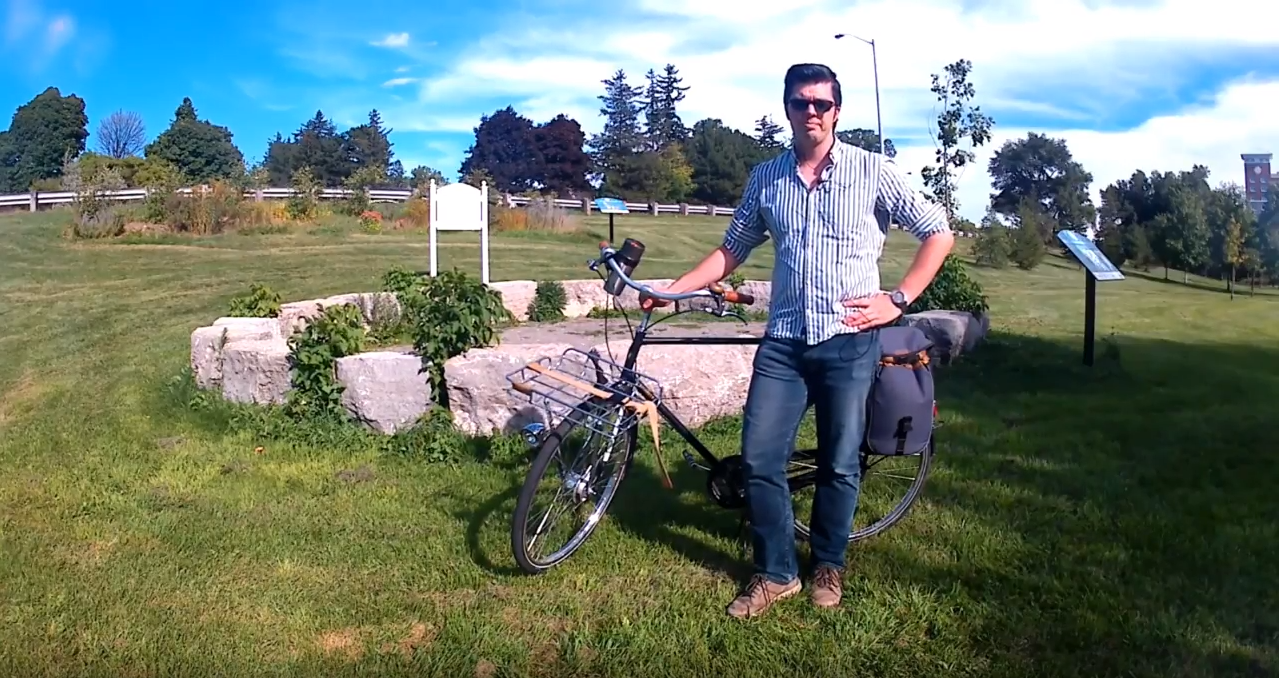
Rear racks can allow riders to carry heavier items and accommodate attachments such as pannier bags. It’s important to remember that while rear racks might be able to take a fair amount weight, the pannier bag you’ve attached might not.
Bonus: Cargo Bikes
Not shown in the video, cargo bikes are designed to move much larger and heavier objects than a standard bicycle. Many models have a weight capacity that’s heavier than many people would be comfortable trying to ride with. In these instances, many models of cargo bikes come with e-assist if you feel like you could use the help.
Disclaimer: “Bicycle As Transport” videos are for demonstration purposes to provide general information on lawfully using a bicycle. They are not CAN-BIKE instruction videos, are not comprehensive, nor provides specific advice or any guarantees. You must determine for yourself what your experience, training and competency level is with using a bicycle. The Bikeport by Kevin Montgomery disclaims any liability in connection with the use of this information.